Can One Have Too Much Pumpkin In Their diet
Jump to:
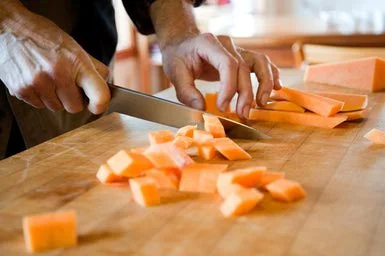
There is no specific pumpkin diet for weight loss. However, pumpkin is a very healthy food that can be easily incorporated into a variety of diet plans. Yes, many people eat pumpkin on the keto diet. You can easily incorporate pumpkin into a low-carb diet. Like most things, it’s still important to watch your portion size. If a batch of keto pumpkin muffins calls for a cup of pumpkin puree, each muffin only has about a tablespoon of puree — that’s not much!
- While there’s no such thing as too much pumpkin, eating a lot can actually give your skin a “pumpkin-like glow.” Too much beta carotene isn’t toxic, but excessive consumption can cause a yellowish.
- Oct 18, 2017 It’s all about the balance of fiber found in pumpkin and how it helps digestive and GI health. Many dog and cat lovers think a spoonful of pumpkin is a GI cure-all, but give too much or continue to feed pumpkin when it isn’t helping the problem, and you can make the problem worse and delay recovery.
- 'If you actually consume too many vegetables or foods that have an orange-yellow color, your skin can start to turn a bit orange,' Bowe says. Pumpkin isn't the only food that can tint your skin tone. Several orange foods, Bowe explains, carry one particular compound that causes the orange hue.
Short answer
All in all, pumpkin is a nutrient-dense superfood that comes with many health benefits. The only real cause for concern is how much vitamin A they contain, making it very easy to take in too much.
Very healthy and numerous health benefits. Harmful qualities may be associated, but aren't usually serious.
View Full Grading SystemCategory 'A'
Very healthy and numerous health benefits. Side effects are rare. Things rated an 'A+' are typically necessary for survival (for example, water).
Very healthy and numerous health benefits. A few harmful qualities may be associated, but only under certain circumstances such as an allergic reaction.
Very healthy and numerous health benefits. Harmful qualities may be associated, but aren't usually serious.
It is important to note that even the best things in life can become bad in immoderate amounts. So, although something may be rated an 'A+', overconsumption/overdoing can bring unwanted effects.
Category 'B'
Very beneficial to your health. Things rated a 'B+' may have a few harmful qualities to pay attention to.
Overall beneficial to your health. Things rated a 'B' may have some harmful qualities to pay attention to.
More beneficial to your health than not. However, harmful qualities are most likely associated and shouldn't be overlooked.
The main difference between category 'A' and category 'B' is the harmful qualities typically present in 'B' items. Serious side effects are usually uncommon, but are still possible and should be taken note of.
Category 'C'
Both beneficial and harmful qualities associated. Things rated a 'C+' are typically a bit more on the beneficial side. Still, moderation is important.
A fairly even ratio of beneficial and harmful qualities. Moderation is important. Very general topics that can lean towards both sides of the spectrum will be placed here as well. Rice, for example, can be good or bad depending on the type.
More harmful than beneficial. Side effects are common, especially when consumed/done excessively. Moderation is very important.
Category 'C' usually denotes to both good and bad qualities. When it comes to this category, it is important to keep this word in mind: moderation.
Category 'D'
Harmful to your health. Although benefits may be associated, the bad most likely outweighs the good. Moderation is very important.
Harmful to your health. A few benefits may be associated, but the bad outweighs the good. Moderation is extremely important.
Harmful to your health. Very few, if any, benefits are present. Things in this category should be avoided as much as possible.
Category 'D' is typically for things that are more harmful than beneficial. While consuming/doing something unhealthy once in a blue moon shouldn't hurt, we definitely recommend eliminating 'D' items as a regular part of your routine/diet.
Category 'F'
Category 'F' is for things that fail to bring anything beneficial to the table, and are very harmful to your health. We recommend completely avoiding anything in this category. Long-term side effects of 'F' items are usually very serious.
Category 'N'
'N' stands for neutral. Things placed into this category are generally (a) neither good nor bad for you, or (b) lack the necessary evidence to reach any conclusions.
Long answer
Although much of the health benefits found in pumpkin are from its seeds, the fruit itself does provide quite a few benefits. For one, it is a good source of many minerals such as copper, calcium, potassium, and phosphorous. Many vitamins, such as the B-complex vitamins, vitamin C, and vitamin E are also found in pumpkin. The most abundant, though, is vitamin A, which along with zeaxanthin (an antioxidant carotene also found in abundance in pumpkin) helps promote healthy eyes and prevent diseases such as macular degeneration Alzheimer's and Parkinson's
With just 26 calories per 2/3 cup (100 grams) and neither saturated fat nor cholesterol, pumpkin is a good choice for those trying to get their daily nutrients and maintain or lose weight. Pumpkin, which provides three grams of fiber per cup, also contribute to a healthy colon and properly functioning digestive system. Furthermore, adequate amounts of fiber help rid the body of excess LDL cholesterol, helping to prevent cardiovascular diseases.

If you eat pumpkin with the seeds, then you will gain the additional benefits of zinc, phytoestrogen, and tryptophan, just to name a few. These improve sexual health in men, prevent hypertension, and help the body create serotonin, respectively. One thing to be careful of is not to eat too much pumpkin - though rare, vitamin A toxicity is possible. Symptoms of vitamin A toxicity include, but are not limited to, blurry vision, swelling of the bones, bone pain, poor appetite, dizziness, nausea and vomiting, sensitivity to sunlight, dry skin, itchy skin, and confusion.
Possible short-term side effects
- vitamin a toxicity
Benefits
- great source of antioxidants
- helps prevent cardiovascular disease
- helps prevent colon cancer
- helps maintain a healthy digestive system
- helps reduce 'bad' cholesterol levels
- promotes a healthy immune system
- promotes healthy eyesight
Suggest improvement or correction to this article
Written by Jeff Volling | 01-07-2016
01-07-2016
Written by Jeff Volling
Suggest improvement or correction
Can cats eat pumpkin? This is a question usually tossed around by pet lovers online, and not just during the Halloween season. This only proves that there are a lot of cats who have shown a predilection to this human food.
So should you let your cat eat pumpkin? The answer is yes. In fact, it is safe to be incorporated in their daily diet. It is also a very effective treatment for constipation and diarrhea in felines.
In fact, if you read the label of a canned pet food, there’s a good chance you will see pumpkin as one of the ingredients.
Benefits of feeding cats with pumpkin
Plain, unflavored and cooked pumpkin presents a number of health benefits to felines. For one, it is rich in fiber which is very good for a cat’s digestive system. Did you know that pumpkin has up to five grams of fiber per every cup of serving?
Fiber is particularly good for cats as it:
- Prevents constipation. Fiber acts as a laxative or a substance that loosens the stool. It can promote regular bowel movement in cats.
- Treats diarrhea. The soluble fiber in pumpkin can absorb extra water in the digestive tract. This can relieve diarrhea in cats. For both diarrhea and constipation, a ½ teaspoon of pumpkin should be good enough to treat a sick cat. You should see an improvement in your cat’s condition within a couple of hours.
- Promotes weight control. Fiber is low in calorie, but promotes satiety in cats. Thus cats can feel full faster if they are given this food.
- Treats hairball in cats. Regular bowel movements can push swallowed hair out of the cat’s body.
Aside from being rich in fiber, pumpkin is also packed in nutrients such as Vitamin A which promotes good vision.
Pumpkin is also rich in Vitamin C. One cup of pumpkin has around 11mg of the substance known for promoting a well-functioning immune system.
How much pumpkin should you feed your cat?
Because of the health benefits of pumpkin to cats, it can be very tempting for cat parents to give too much of this fruit to their pets. But it is advisable to limit the portions so as to maximize its health benefits.
You can start feeding an adult cat with ½ teaspoon of pumpkin daily. You can then increase this to a teaspoon after a week or so.
If you are to give pumpkin seeds to your furry pal, start with a very small amount like 1/16 teaspoon. You may want to consult with your veterinarian first if you want to give higher amounts.
How to feed cats with pumpkin

You can feed your cat with fresh pumpkin seeds. However, it is recommended that you clean and roast the pumpkin seeds for about an hour, and at a temperature of 350 degrees Fahrenheit.
You should not add any spices or salt to the pumpkin as this can cause stomach upset. Most pumpkin products with spices are flavored with ingredients such as ginger, cinnamon, nutmeg, and cloves. These ingredients may be toxic to cats.
Cinnamon, for instance, can cause diarrhea, vomiting, and changes in heart rate. Nutmeg, meanwhile, can increase heart rate and blood pressure. Ginger has been linked to stomach upset, while cloves can cause liver toxicity.
You may also give your feline friend canned pumpkin. Just be sure that the canned food you are giving her is free from additives and fillers.
How to preserve canned pumpkin
The typical 15 ounce of canned pumpkin is usually too much for a cat to consume in one sitting. Unless you have a dozen or so cats in the household, a typical can of canned pumpkin won’t be consumed within a reasonable amount of time.
You can’t also keep it in the fridge and expect it to remain fresh for more than a week. So what’s the best way to make the most out of a canned pumpkin?
You can preserve the contents of a canned pumpkin by putting the contents in an ice cube tray. Put the tray into the freezer. Once the cubes have been frozen, scoop them out and put them in a freezer bag.
When you need to feed your cat with canned pumpkin, simply thaw one scoop by putting it in a small glass. The leftover pumpkin cube can then refrigerated and served the next day.
Conclusion
Can One Have Too Much Pumpkin In Their Diet Consist
Pumpkin is one of the few human foods that vets recommend to be fed to cats. What’s more impressive with this food is that it can be part of your feline’s daily diet.
You can give plain, cooked pumpkin to your pet. You can also feed her with pumpkin seed, or canned pumpkin.
Can One Have Too Much Pumpkin In Their Diet Coke
As you have learned, giving pumpkin to your pet can be one of the best cat feeding tricks you can try.